A journal for storytelling, arguments, and discovery through tangential conversations.
Tuesday, July 21, 2026
|
Leo Cocar
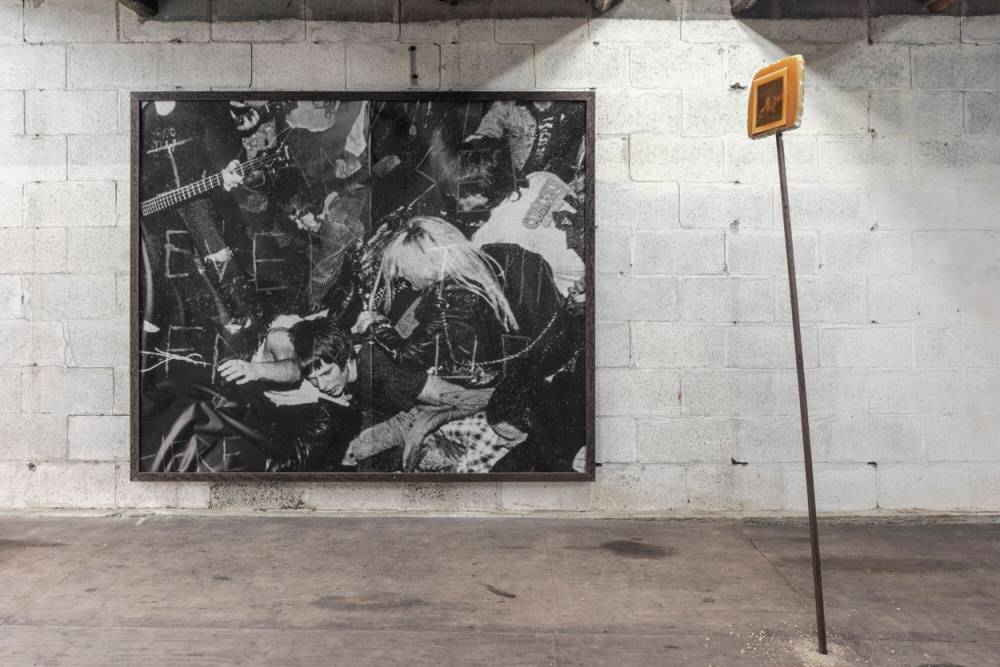
Sophie Kovel’s work is marked by a subtle, latent sense of oscillation — a constant shifting between the particular and the general, the longue durée and the event, and the instantaneous moment held within structures. It is through these tensions that Kovel’s forensic tendency takes place, mobilizing the art object as a means to make intelligible larger power structures which would normally resist imaging: the irony being here that oftentimes, the histories, architectures, and dynamics Kovel plumbs are frequently ones embedded in a regime of visuality, a regime of the image.
In some instances, her work engages the public and the monumental as the arena in which this regime is articulated.
Thursday, November 13, 2025
|
Leo Cocar
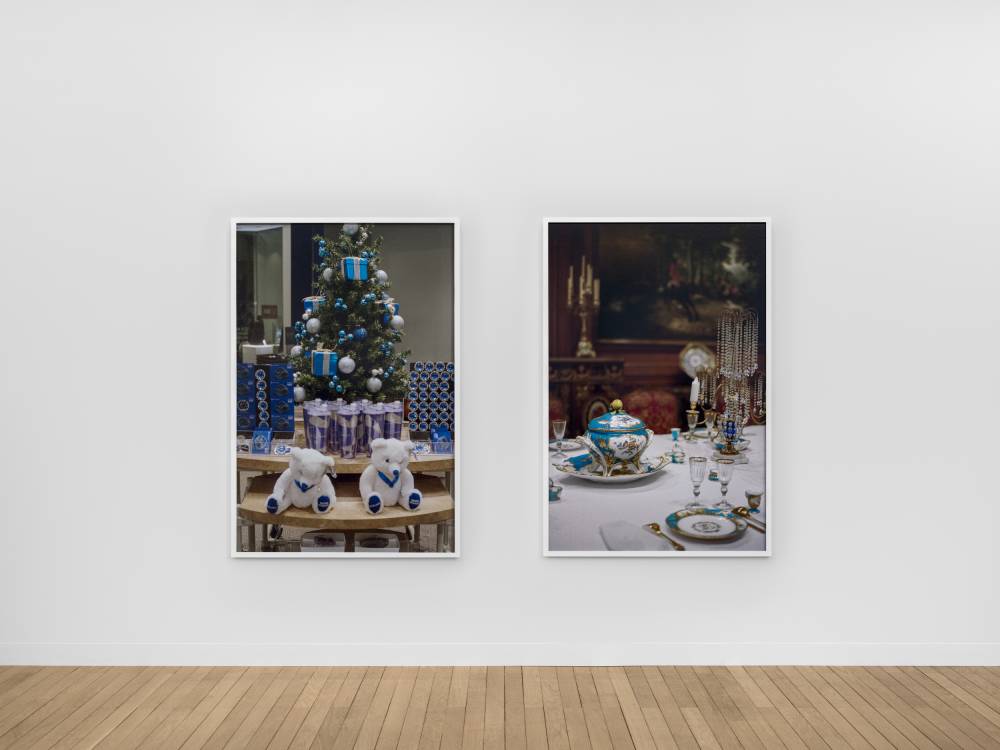
If there’s anything I have gleaned over the course of my engagement with the work of lens-based artist, Nabil Azab, it is that there is a liberatory quality in the act of denial. Azab’s approach to photography rejects the long-canonized idea that the photograph is a neutral documentation of truth, or of the world “as it really is.” Azab’s approach is an eschewment of the idea that the photograph has to of anything recognizable—a refusal of the notion that the poetic quality of the photograph has to emerge out of an imagined naturalism, which operates as a stage for the interplay of recognizable signs and symbols. In short, it is a turn away from the photographic image as a kind of concrete language.In their practice, large-scale prints take up a painterly quality through a litany of means; from the use of ecstatic-impulsive snapshots, to repeatedly projecting and re-photographing archival images, and the use of over exposure. At a formal level, abstraction, monochromatic compositions, superimposed marks, and canvas stretchers make frequent appearances. On occasion, the subjects captured by Azab’s camera hover at the edge of discernability. In other cases, we are presented with surfaces suffused with varying washes of color bleeding into one another, calling to mind voices from the Color Field movement.