A journal for storytelling, arguments, and discovery through tangential conversations.
Wednesday, May 6, 2026
|
Katie Lawson
On a bright February day, I arrived at the Toronto shoreline of Lake Ontario bundled in my winter layers covered in a dusting of fresh snow. I tapped the slush from my boots against the Harbourfront Centre’s doorframe to visit The Power Plant Contemporary Art Gallery. Conscious of swishing fabric and leaving melted snow in my wake, I entered Vuntut Gwitchin artist Jeneen Frei Njootli’s solo exhibition The skies closed themselves when we averted our gaze. The Power Plant exhibition brings together works from a period of over ten years, revealing the artist’s sustained engagement with the relationships between body, land, and material transformation. The first artwork I encountered, As we fly through each other (2024), is a set of work overalls that appear as if they have been hung to dry. Like many garments and objects in the artist’s practice, they have been dipped in resin, glistening as though still wet. Throughout the installation, textiles and resin are joined by other materials that have endured over the course of Njootli’s practice—such as steel, hide, and beads. Each material registers subtle shifts in atmosphere, producing surfaces that glisten, refract, or absorb the light that drenches the gallery.
Thursday, May 20, 2021
|
Katie Lawson
In a time of extreme social and political polarization, it is urgent to examine the historical narratives on which these ideological differences rest. In Mexico, colonial nationalist rhetoric takes on a mythic quality, and results in the homogenization of Indigenous identity and material culture. Yet art can introduce cracks and fissures to hegemonic histories and excavate the stories concealed beneath them.
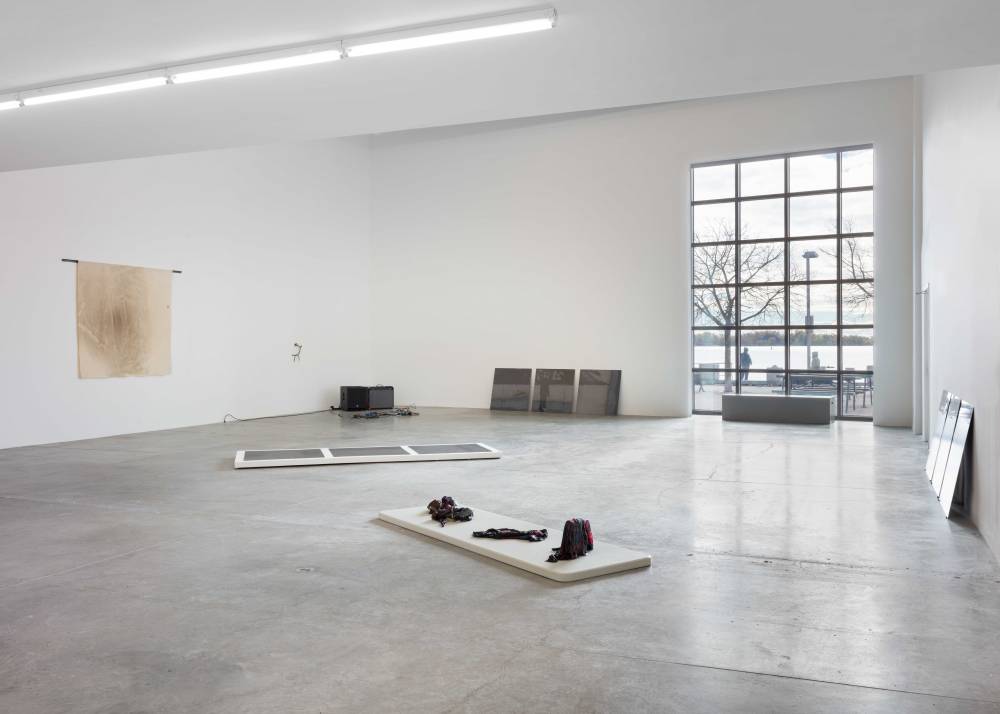
For Saúl Hernandez-Vargas, an artist from Taller de Artes Plásticas Rufino Tamayo, Oaxaca, this excavation is literal. I first encountered the artist through the 2017 works Plate #1, #2, and #3 and through documentation of the exhibition No queda nada para nosotros en la espesura (Nothing Left for Us in the Wilderness).
